A superyacht fit-out specifies the finest materials on earth. Every cut generates premium offcuts. The industry discards them at significant cost. Avira rescues them and makes singular luxury objects from what the build leaves behind.
30–40%
of every premium material ordered — teak, carbon, leather, Alcantara — becomes offcut waste on every superyacht fit-out
$190–220
per tonne paid to dispose of composite and finishing waste. For leather and exotic wood: no market, no recovery
One base.
316L marine-grade steel. The surface is always the owner's own material, numbered to the hull. It cannot be replicated.
Hover a stage to explore the journey
I — The Partnership
A proposal to the yard
Avira approaches shipyards directly. We take responsibility for specified offcut materials at no cost. What was a disposal liability — $190–220 per tonne — becomes a supply chain. The yard saves. The material continues.
II — The Object
Built from the build itself
Every Avira piece is a 316L marine-grade steel base, finished with material from the owner's own commission. The teak that clads the deck faces a coaster. The carbon from the hull inlays a tray. The same material. A new life.
III — The Provenance
Numbered to the hull
Each object carries the hull number of the source vessel. Singular, documented, unrepeatable. Made once from materials that no longer exist. Exclusive in the truest sense — not by edition, but by origin.
One base. Every finish.
316L marine-grade steel. The surface is always the owner's material. Each piece numbered. It cannot be replicated.
The Raw Material
Every surface. A waste problem.
A superyacht fit-out specifies materials from the same palette as the finest interiors on earth — exotic hardwoods, aerospace carbon, Italian leather, Alcantara, silk, stone, bouclé, lacquer. Every cut, join, and panel generates offcuts. Thirty to forty percent of everything ordered ends in the skip bin. Avira takes it before that happens.
Hover any material to explore its waste data
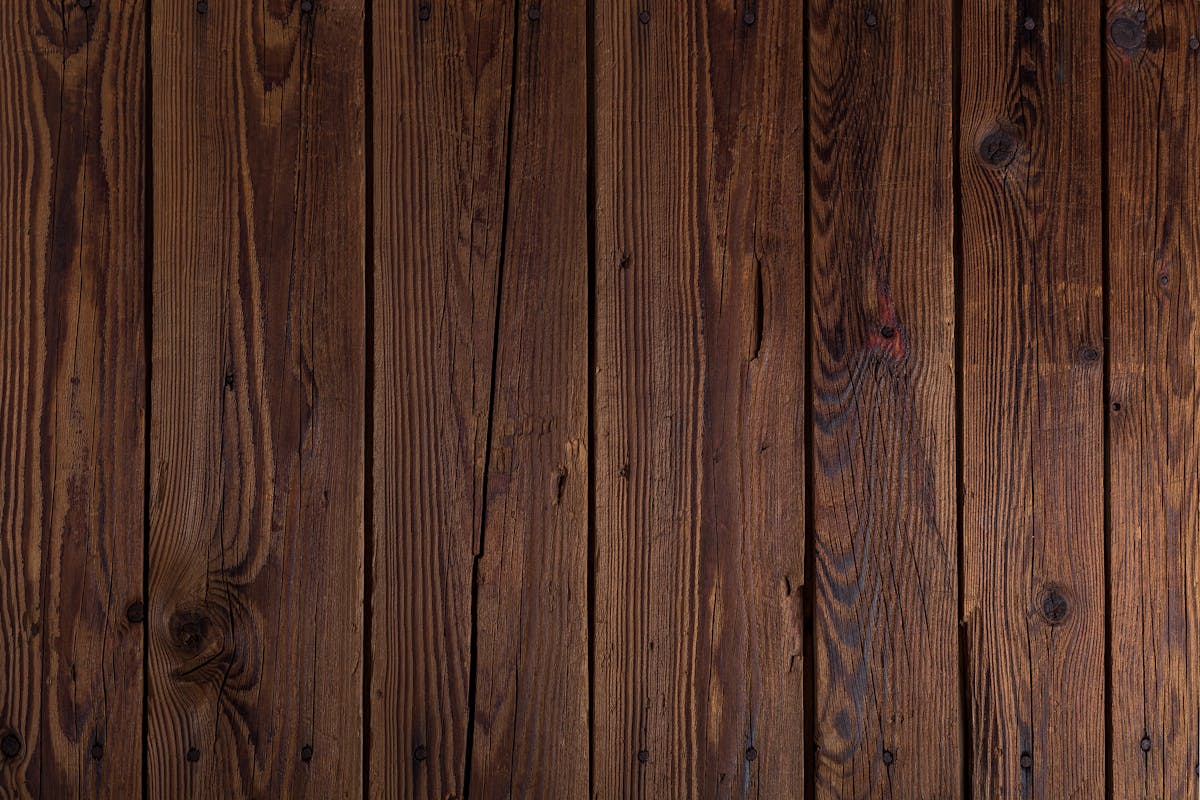
Teak
Teak
offcut rate30–50%
fateincineration · landfill
sourcedeck · joinery · flooring
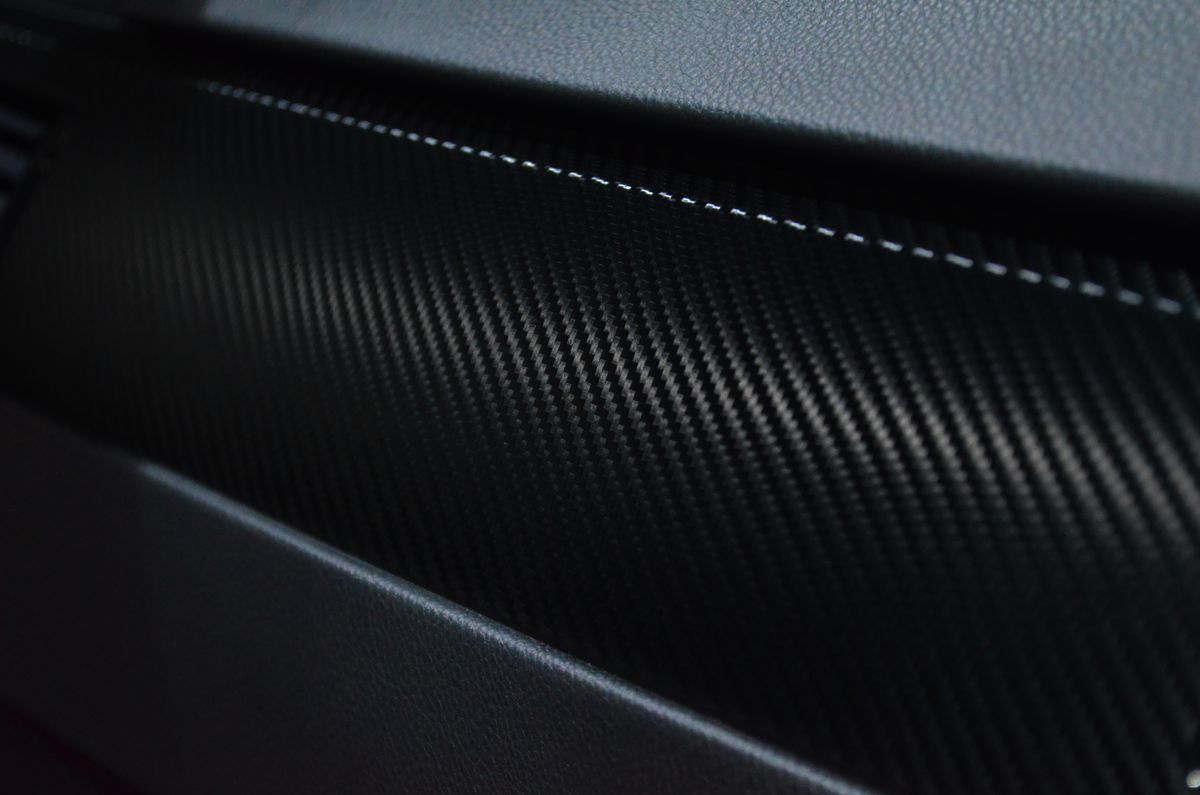
Carbon Fibre
Carbon Fibre
offcut rate30–40%
disposal cost€100/t · 85% landfilled
sourcehull · superstructure
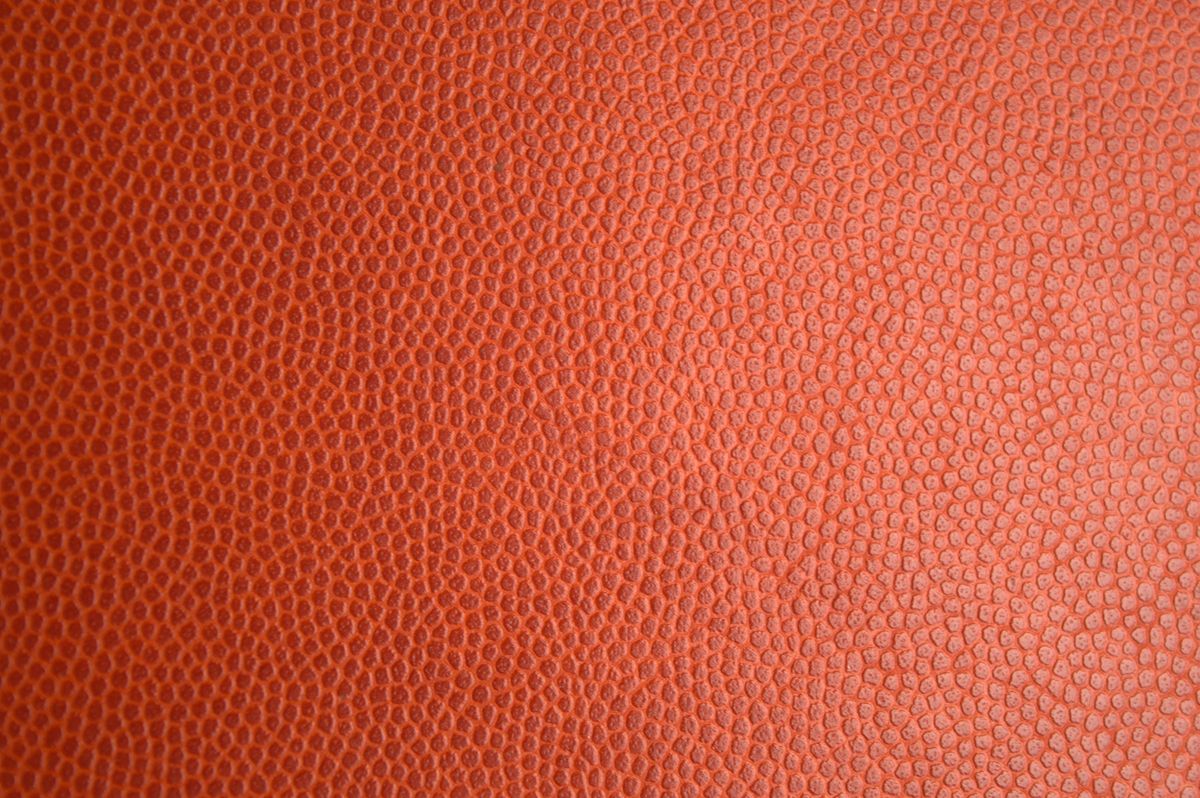
Leather
Leather
offcut rate25–40% per hide
fateno market · landfill
sourceseating · headliners · walls
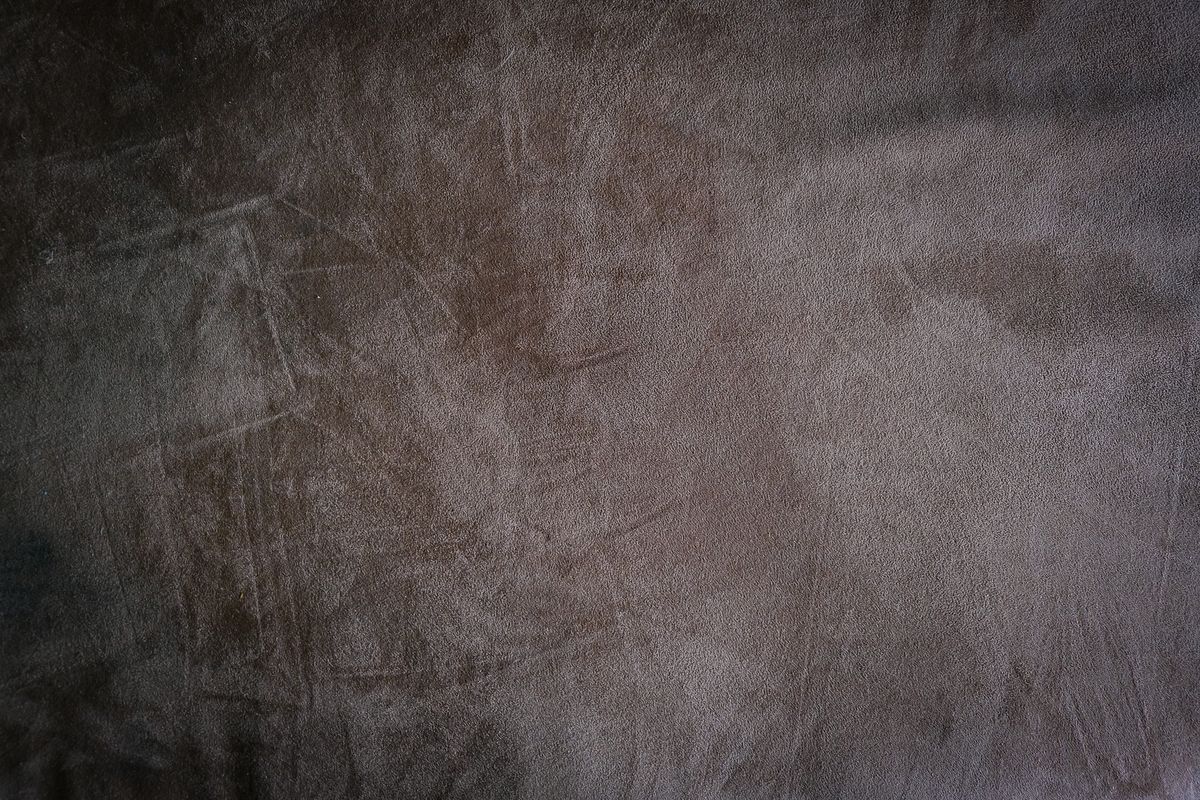
Alcantara
Alcantara
offcut rate15–25%
fate84% incinerated
sourceheadliners · panels · ceilings
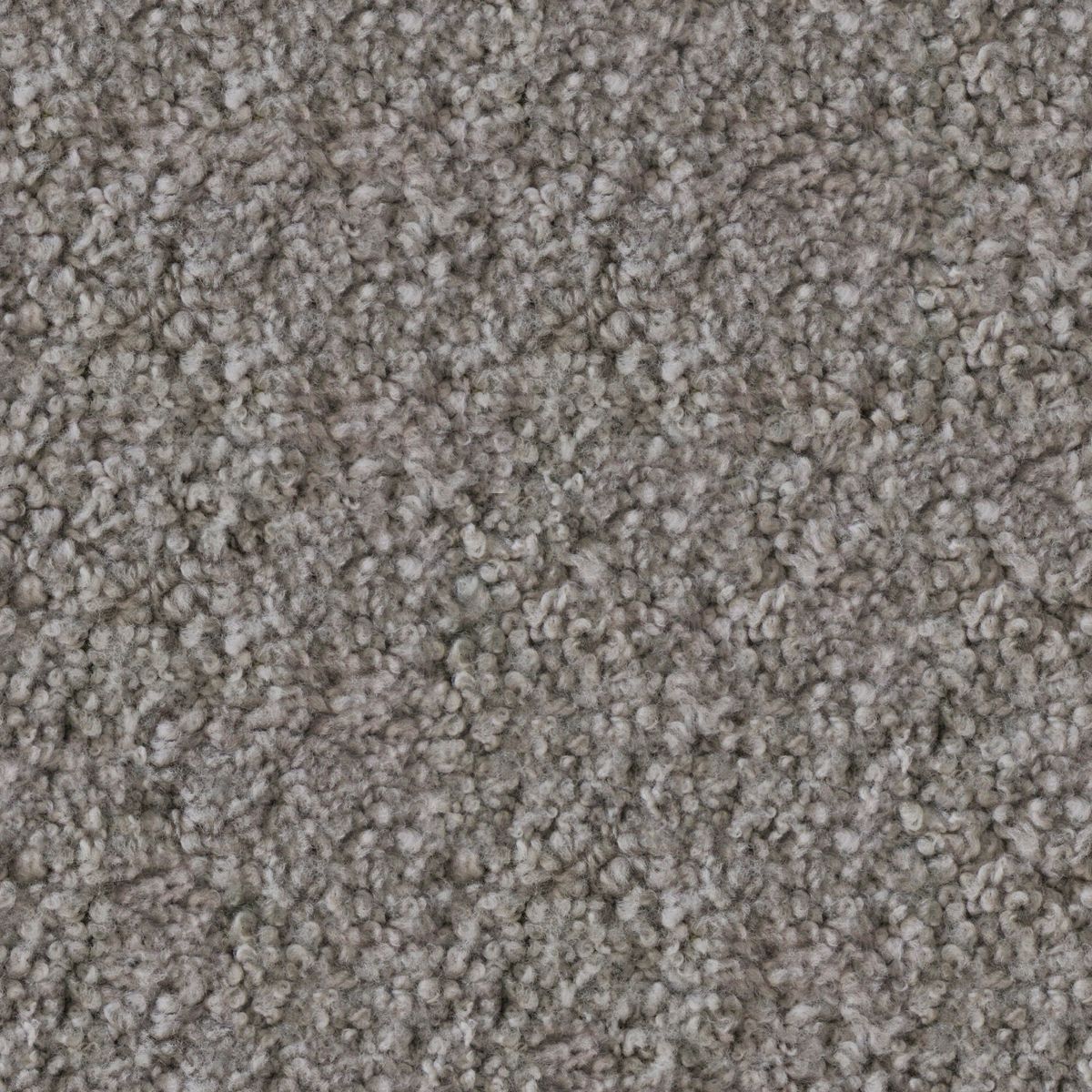
Wool Carpet
Wool Carpet
offcut rate10–20%
fate90% landfill · £152/t
sourcecabin floors · saloon
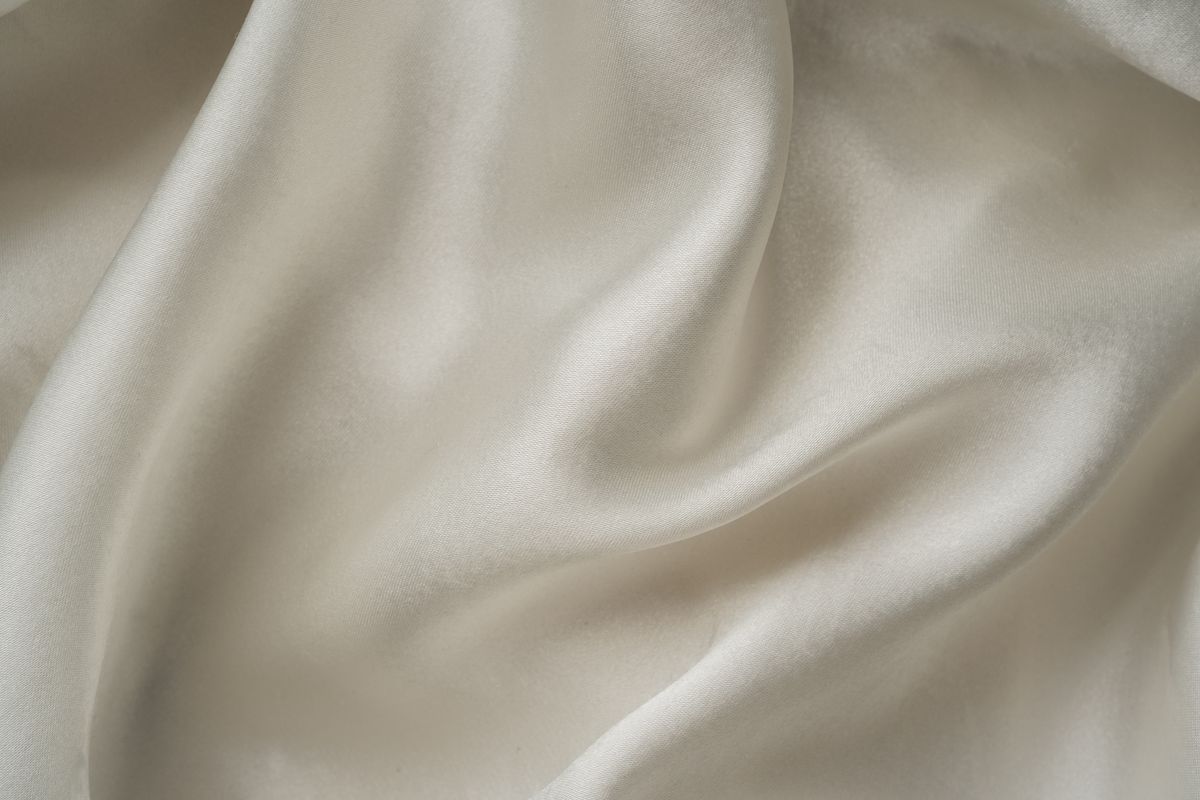
Silk
Silk
offcut rate~15%
fateno recovery stream
sourcecurtains · upholstery
30–40%
of every premium material ordered for a superyacht fit-out becomes offcut waste — wood, leather, carbon, stone, textile
$190–220
per tonne — average disposal cost for composite and finishing waste. For leather and exotic wood: no market, no recovery
2027
IMO carbon levy comes into force — waste disposal liability across all shipyard material streams escalates further
Material that has already lived.
0
Additional raw material extracted — every surface is an offcut
316L
Marine-grade steel — universal base for every object in the line
Each
Object carries the hull number of the vessel it was made from
Concept
Nothing is wasted. Everything is made.
Every superyacht fit-out specifies the finest materials — exotic hardwoods, aerospace carbon, Italian leather, Alcantara, stone, lacquer. Every cut generates premium offcuts. The industry discards them at significant cost. Avira rescues them and makes singular luxury objects from what the build leaves behind.
I — The Partnership
A proposal to the yard
Avira approaches shipyards directly. We take responsibility for specified offcut materials at no cost. What was a disposal liability — $190–220 per tonne — becomes a supply chain. The yard saves. The material continues.
II — The Object
Built from the build itself
Every Avira piece is a 316L marine-grade steel base, finished with material from the owner's own commission. The teak that clads the deck faces a coaster. The carbon from the hull inlays a tray. The same material. A new life.
III — The Provenance
Numbered to the hull
Each object carries the hull number of the source vessel. Singular, documented, unrepeatable. Made once from materials that no longer exist. Exclusive in the truest sense — not by edition, but by origin.
One base. Every finish.
316L marine-grade steel. The surface is always the owner's material. Each piece numbered. It cannot be replicated.
Service Tray
MaterialStainless Steel 316L
Dimensions320 × 240 mm
Wall height40 mm
Thickness1.5 mm
FinishBrushed, marine grade
Drag to rotate · Scroll to zoom
The Collection
Twelve objects — one language across dining, desk, deck & galley
01
Coaster
Reclaimed teak & carbon composite
CNC-routed from teak deck planking or carbon hull off-cuts. The concentric engraving reveals the grain beneath — no two surfaces identical. Weighted, silent, precise.
02
Bottle Container
Woven rigging rope & steel hardware
A vessel for the vessel. Braided yacht rope — originally load-bearing at sea — woven tight around a stainless frame and finished with salvaged deck hardware. Made to hold a single bottle.
03
Service Tray
Carbon composite & reclaimed steel
Flat-pressed composite panels — off-cuts from hull construction — set into a polished stainless rim salvaged from deck fittings. Low, balanced, built for one-handed service.
04
Cabin Nameplate
Carbon composite & 316L frame
CNC-milled from hull carbon composite, set into a precision-folded 316L frame. Fitted during outfitting — permanent, weightless, and the first thing a guest sees when they walk the corridor.
05
Chart Table Organiser
316L & reclaimed teak
A long narrow form specific to the navigation surface — divided for pens, dividers, tide tables, a phone. Nothing in the market is made for this space. This one is.
06
Bottle Opener
Forged 316L & carbon inlay
Machined from solid 316L bar stock, weighted in the hand. A teak or carbon inlay on the grip, a lanyard hole at the end. The simplest possible AVIRA object — and the most given.
07
Pen Holder
316L cylinder & teak base
A cylinder of brushed 316L, honeycomb or teak base visible from above when pens are removed. For the owner's desk in the master cabin. The object that gets noticed without knowing why.
08
Napkin Ring
Welded 316L & teak inlay
Bent and welded from 316L flat stock, a carbon or teak inlay pressed into the face. Sold in sets of four or six. One of the smallest AVIRA objects — and one of the highest in perceived value.
09
Photo & Document Frame
316L border & teak backing
A single frame — brushed 316L border, teak or carbon backing — for a printed certificate, a photo of the vessel, or the provenance document itself. The provenance card framed becomes a wall object.
10
Condiment Stand
316L & teak platform
A 316L base that holds two or three bottles upright at the dining table. The same material language as the bottle holder, scaled for the surface. Elegant, functional, unnecessary in the best way.
11
Cockpit Cup Holder Insert
316L & teak ring
A 316L ring insert that drops into an existing cockpit cup holder and converts it from plastic to steel and teak. Fits most standard hole diameters. A retrofit accessory that costs very little to produce.
12
Ship's Logbook Cover
316L & carbon composite panel
A hard cover in alucobond with a carbon or teak panel, holding a standard A5 notebook. The vessel name engraved. The material provenance documented inside. Every yacht has a logbook — most are in chandlery leather. This is the highest AVIRA price point and the most gifted object in the maritime world.
 Teak
Teak
 Carbon Fibre
 Leather
 Alcantara
 Wool Carpet
 Silk
Silk